
TL;DR: The global EPM market is valued at $6.30 billion in 2025 and is projected to nearly double to $14.55 billion by 2034, with cloud deployments now making up more than 70% of it (Fortune Business Insights, 2025). This guide covers what EPM actually does, what it replaces, and what to look for if you're evaluating a cloud EPM setup or a consulting partner to help you get there.
If you've ever spent a week reconciling three different spreadsheets that were all supposed to show the same number, you already understand the problem EPM software solves. The term sounds abstract until you've lived through the alternative.
Enterprise performance management, EPM for short, is the category of software that connects planning, budgeting, forecasting, consolidation, and reporting into one system instead of a folder of spreadsheets passed between departments. It's grown into a genuinely large market: valued at $6.30 billion globally in 2025, on track to reach $14.55 billion by 2034 (Fortune Business Insights, 2025). Asia Pacific is the fastest-growing region in that market, valued at $1.30 billion in 2025.
What does EPM actually replace?

89% of finance leaders still rely on Excel for tasks like budget input collection, even after their organization has already invested in dedicated planning software (Vena Solutions, State of Strategic Finance report, 2024, n=218). That's not a knock on spreadsheets. It's a sign that a lot of "EPM" implementations only handle part of the job, leaving the connective work back in Excel.
A full EPM setup is meant to remove that gap entirely. Instead of finance building a model in Excel, sales building a separate forecast in another sheet, and someone manually reconciling the two before the leadership meeting, everyone works from the same connected data model. When it's done well, the spreadsheet stops being the system of record and becomes just a way to view the data.
What are the core capability areas inside EPM?
40% of finance teams report spending 6 or more days on financial statement preparation alone, the single slowest stage of month-end close, and 37% say account reconciliations take just as long (Planful, 2025 Global Finance Survey). These numbers point to where EPM software earns its keep. The category generally breaks down into a few connected areas:
• Planning, budgeting, and forecasting. Top-down and bottom-up planning by department, region, or product line, with rolling forecasts that update as the business changes rather than a static annual budget.
• Consolidation and close. Bringing financial data together across business units or subsidiaries, with intercompany eliminations and currency translation handled automatically instead of by hand.
• Reporting and analysis. Management and statutory reporting drawn from the same underlying model, so the numbers in the board deck and the numbers in the regulatory filing don't have to be reconciled separately.
51% of finance leaders cite integrating data from multiple ERPs or general ledgers as the biggest friction point in close and consolidation (Planful, 2025). This is usually where a consulting partner's integration experience matters more than the software's feature list.
Why is cloud EPM specifically growing so fast?
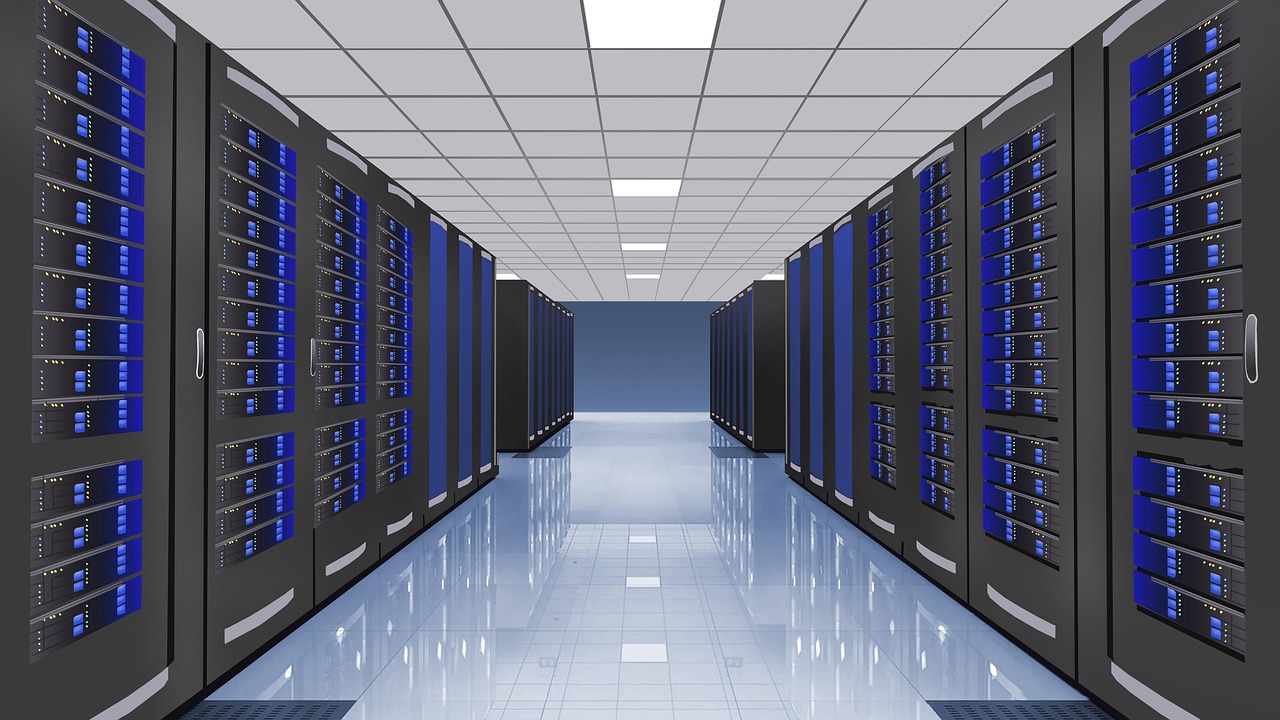
Cloud deployment is projected to make up 71.47% of the global EPM market in 2026, making it the fastest-growing segment of the category (Fortune Business Insights, 2025). The shift makes sense once you see what on-premise EPM usually requires: dedicated infrastructure, a longer implementation timeline, and an IT team on standby for every model change.
Cloud EPM removes most of that overhead. Updates roll out without a maintenance window, new users get added without a server request, and the platform can scale up during budget season and back down after without anyone provisioning new hardware. The bigger shift is less about cost and more about speed. A model change that used to take a change-request ticket and a two-week wait can happen the same afternoon, which matters more than it sounds like during a live scenario-planning session with leadership in the room.
What does the EPM picture look like for finance teams in India?
74% of Indian CFOs rank digital transformation as their top priority, but only 20% of Indian organizations have fully integrated their ERP and EPM systems, and close to 30% still run finance operations entirely on manual processes (Wolters Kluwer / CCH Tagetik, "The Pulse of Finance: EPM Priorities & Perspectives in India 2025", research by IMA India, Oct 2025). That gap between intent and integration is exactly where most India-based finance teams sit right now.
The same research found cost cited by 70% of respondents and legacy-system integration difficulty by 60% as the top obstacles, while 59.3% say they lack real-time insights and 48.5% point to time-consuming manual processes as ongoing challenges. In practice, the integration barrier tends to matter more than the cost barrier once you're actually scoping a project. A lot of Indian enterprises are running a mix of legacy ERP systems alongside newer cloud tools, and the EPM layer is what has to bridge them, which is a harder problem than the price tag suggests.
How do you choose an EPM consulting company?

The software decision and the implementation partner decision are separate, and the second one usually matters more for how the project actually goes. Given that 51% of finance leaders name multi-ERP integration as their top friction point, look for a partner who can point to specific experience connecting the systems you already run, not just a general EPM certification.
A few things worth asking any EPM consulting company before signing:
• Which platforms have they actually implemented (Anaplan, CCH Tagetik, Workday, Pigment, SAC) and do they match what you're considering
• How do they handle the ERP integration work specifically, since that's the step most likely to run long
• What does support look like after go-live, not just during the build
• Can they show a reference project in a similar industry or company size to yours
One example worth mentioning: a large insurance company with more than 200 branches and 52,000-plus sales agents moved from manual Excel consolidation to a connected Anaplan-based planning model, covering driver-based expense planning, scenario planning, and integrated P&L and balance sheet reporting. The result was one shared version of the numbers across statutory and management reporting instead of separate reconciled versions. Our piece on turning an annual budget into a rolling forecast walks through what that kind of connected planning setup looks like in practice.
Frequently asked questions
What is enterprise performance management (EPM)?
EPM is software that connects planning, budgeting, forecasting, consolidation, and reporting into one system. The global EPM market is valued at $6.30 billion in 2025 and is projected to reach $14.55 billion by 2034 (Fortune Business Insights, 2025), reflecting how many organizations are moving off spreadsheet-based processes.
What's the difference between EPM and ERP?
ERP systems run the transactional side of the business (orders, inventory, payroll, general ledger entries). EPM sits on top of that data to handle planning, forecasting, and consolidated reporting. Only 20% of Indian organizations currently have their ERP and EPM systems fully integrated (Wolters Kluwer/CCH Tagetik, 2025), which is usually where implementation projects spend most of their time.
Is cloud EPM better than on-premise EPM?
For most organizations, yes, mainly for speed and scalability rather than cost alone. Cloud deployment now makes up more than 70% of the global EPM market (Fortune Business Insights, 2025), and it removes the infrastructure and change-request overhead that slows down on-premise systems.
How do I choose an EPM consulting company?
Look at which specific EPM platforms they've implemented, how they handle ERP integration work, and what post-go-live support looks like. With 51% of finance leaders citing multi-ERP integration as their biggest friction point (Planful, 2025), integration experience matters more than a general certification.
Where this leaves you
EPM software solves a specific, recurring problem: too many versions of the same number living in too many spreadsheets. The market data backs up that this isn't a niche concern anymore, it's a $6.30 billion category growing toward $14.55 billion by 2034, with cloud deployments leading that growth and India specifically still in the early stages of catching up on integration.
If your team is somewhere in that gap between wanting digital transformation and actually having connected systems, that's a normal place to be, not a rare one. GenXAI builds cloud-based EPM implementations across finance, sales, supply chain, and workforce planning for enterprise teams. Take a look at our enterprise performance management page for how we approach it, or see our Anaplan implementation and consulting work specifically if Anaplan is the platform you're evaluating. Or just get in touch if you'd rather talk through your specific setup.